Writing ·
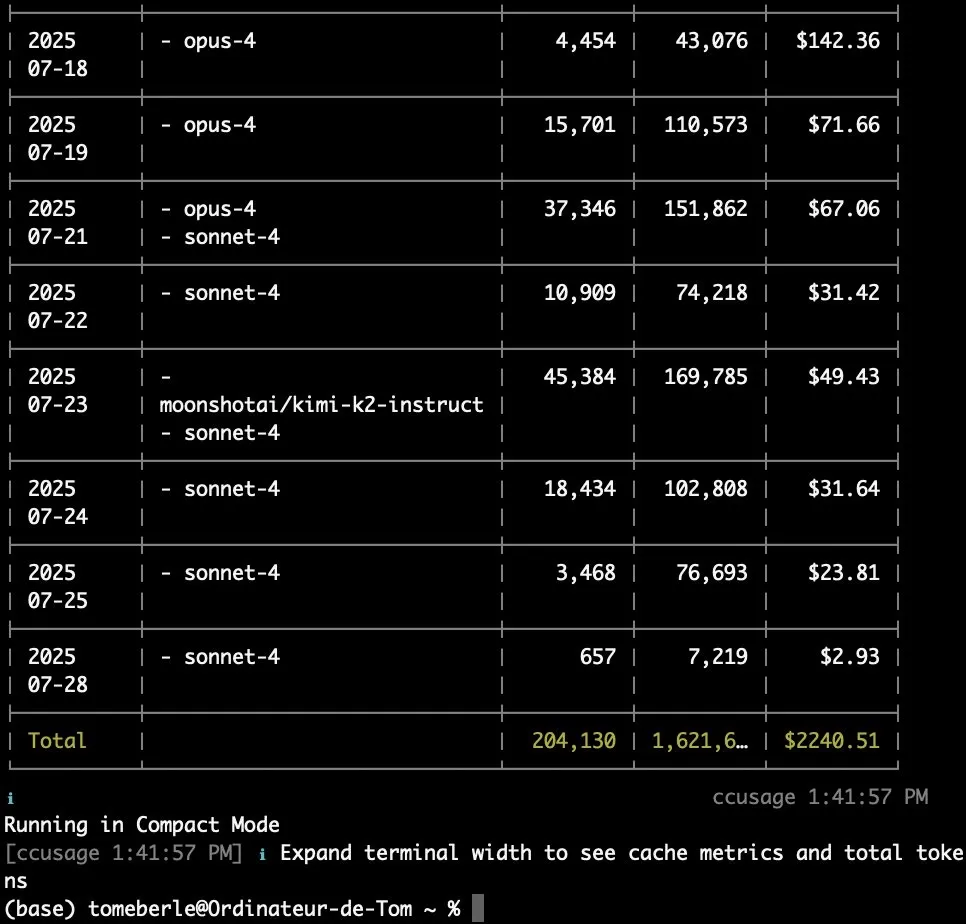
I spent $2,240 on Claude Sonnet + Opus this month. Worth every cent.
Shipped 4 revenue‑ready iOS apps in 4 months. 99% of the code came from AI.
Here’s what I learned.
1. Vibe‑coding is real
LLMs will take your idea → prod → 💰 if you know the basic frameworks. Your skill multiplies the output.
2. PRDs > diving right into it
A tight spec document (DB schema, auth flow, UI states) removes days of rewrites. Plan first, prompt later.
3. Context is king
The 200k-token context window fills up fast (10–20 min of work). Be specific with instructions. Keep a mind‑map of every file and call them out specifically in prompts.
4. MCPs = rocket boosters
Model Context Protocols (tool calling) tap straight into your stack.
- Firebase MCP pulls live data
- Context7 fetches the exact doc snippet
- Another MCP runs lint + build on demand
The result: faster autonomous iteration. Give the model the tools and it ships.
5. Stack < spec
Pick a mainstream stack (Swift, React, Next.js, Firebase) and build. Pretty and modern frameworks can wait.
6. Choose your engine
- Opus 4 for heavy lifts and deep refactors (slower, pricier)
- Sonnet 4 for the daily grind (5× cheaper and faster)
- Kimi K2 or other open-source models when costs count (1–2% more errors, which adds up on every tool call, so not worth it in my use case)
7. Claude Code is a cheat code
$200/mo for $2.2K+ of API usage. Cursor can’t match it yet.
First posted on X on 29 July 2025 · See the original post